

Introduction
Luxury automobiles have always represented more than transportation. They symbolize comfort, elegance, performance, innovation, and personal success. For decades, premium automotive brands have competed to create vehicles that offer exceptional craftsmanship, powerful engines, sophisticated interiors, and a remarkable driving experience. However, the definition of luxury is changing rapidly as technology becomes an essential part of modern automotive design.
Today, luxury cars are no longer judged only by their exterior appearance, leather seats, or engine performance. Buyers increasingly expect intelligent driving systems, advanced infotainment, electric powertrains, personalized digital experiences, and enhanced safety features. Technology is transforming nearly every aspect of premium vehicles, from the way they are manufactured to how drivers interact with their cars.
Leading manufacturers such as Mercedes-Benz, BMW, Rolls-Royce, Porsche, Bentley, and Tesla are exploring different ways to combine traditional luxury with modern innovation. Their vehicles demonstrate how digital technology, artificial intelligence, electrification, and advanced engineering are reshaping the automotive industry.
In this article, we will explore how technology is transforming luxury automobiles, the innovations making premium vehicles smarter and more efficient, and what these developments mean for the future of driving.
1. Artificial Intelligence Is Making Luxury Cars Smarter
Artificial intelligence (AI) is becoming one of the most important technologies in the luxury automotive industry. It allows vehicles to understand driving conditions, respond to voice commands, personalize settings, and provide intelligent assistance to drivers.
Modern luxury vehicles increasingly feature AI-powered virtual assistants that recognize natural language. Instead of navigating complicated menus, drivers can use conversational commands to adjust the temperature, select music, find destinations, or change certain vehicle settings.
For example, a driver might ask the vehicle to make the cabin cooler or locate a nearby charging station. Depending on the system, the car can interpret the request and perform the appropriate action without requiring the driver to search through multiple screens.
AI can also support personalization. A vehicle may remember a driver’s preferred seating position, climate settings, ambient lighting, and entertainment choices. When that person enters the car, the system can automatically restore their preferences.
Beyond convenience, AI can help analyze sensor data to identify potential hazards, improve driver assistance, and support predictive maintenance. Some systems can detect unusual vehicle behavior and alert the owner when inspection or servicing may be necessary.
Although AI does not make every luxury vehicle fully autonomous, it is creating a more responsive, personalized, and intelligent driving experience.
2. Electric Powertrains Are Redefining Premium Performance
Electric vehicles (EVs) are changing the traditional relationship between luxury and performance. Historically, premium automotive brands relied on large engines, impressive horsepower, and distinctive exhaust sounds to demonstrate engineering excellence. Electric powertrains introduce a different approach to achieving speed, refinement, and comfort.
Electric motors can deliver substantial torque almost immediately, allowing many luxury electric cars to accelerate rapidly and smoothly. This instant response creates an engaging driving experience without the gear changes associated with conventional transmissions.
Another major advantage is quiet operation. Electric vehicles generally produce less powertrain noise than comparable combustion-engine vehicles, helping manufacturers create peaceful cabins where passengers can enjoy conversations, music, or simply a quieter journey.
Brands such as Porsche, Mercedes-Benz, BMW, and Rolls-Royce have explored electrification through dedicated electric models or broader electrified vehicle strategies. The Porsche Taycan, for example, demonstrates how electric propulsion can deliver high performance while maintaining a premium driving character.
Battery technology is also evolving. Improvements in energy density, charging systems, thermal management, and battery controls are helping manufacturers address important concerns involving driving range and charging convenience.
However, electric luxury vehicles still face challenges, including charging infrastructure, battery costs, cold-weather range reductions, and the environmental impact of battery production.
Despite these obstacles, electrification is creating new opportunities for manufacturers to deliver powerful, refined, and increasingly efficient vehicles.
3. Advanced Driver Assistance Systems Improve Safety
Safety has always been a priority for luxury automobile manufacturers. Modern technology is taking this commitment further through advanced driver assistance systems (ADAS).
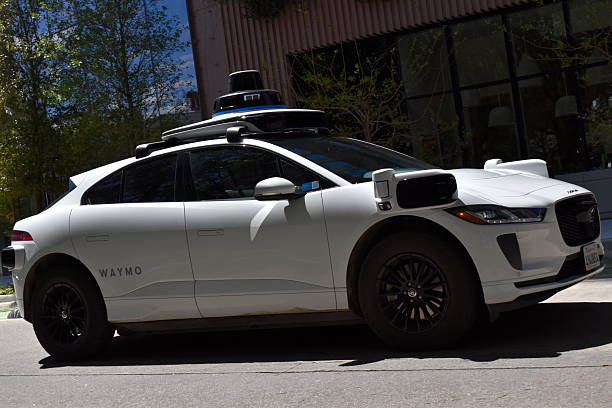
These systems use cameras, radar, ultrasonic sensors, and other technologies to monitor the vehicle’s surroundings and help drivers respond to potential dangers.
Common features include adaptive cruise control, lane-keeping assistance, blind-spot monitoring, automatic emergency braking, and parking assistance. Depending on the vehicle, additional capabilities may include traffic-sign recognition, driver-attention monitoring, and assistance during highway driving.
Adaptive cruise control, for example, can maintain a selected following distance from the vehicle ahead. Lane-keeping systems may provide steering assistance when the car begins to drift from its lane. Automatic emergency braking can help reduce the severity of certain collisions or avoid them under suitable conditions.
Parking technology has also improved considerably. Surround-view cameras can create a composite image of the vehicle’s surroundings, while automated parking systems may assist with steering and maneuvering into suitable spaces.
These features are particularly useful in expensive vehicles with wide bodies, limited rear visibility, or sophisticated exterior designs.
Nevertheless, driver assistance systems have limitations. Drivers must remain attentive and follow the vehicle manufacturer’s instructions. These technologies are designed to assist with driving, not eliminate the need for responsible human supervision.
4. Digital Cockpits Are Changing the Interior Experience
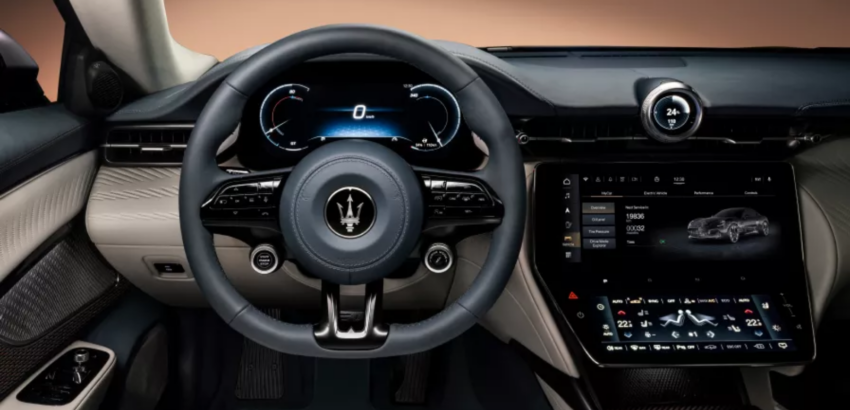
The interior of a luxury automobile has traditionally been defined by premium materials, meticulous craftsmanship, and comfortable seating. Today, digital technology is becoming equally important in shaping the cabin experience.
Many modern luxury vehicles feature large central touchscreens, fully digital instrument clusters, configurable head-up displays, and integrated infotainment systems. These technologies provide access to navigation, vehicle information, entertainment, communication, and selected comfort settings.
A head-up display, for instance, can project important driving information onto the windshield or a dedicated display surface within the driver’s field of view. This allows drivers to check certain details without looking down at the instrument panel.
Digital cockpits can also be customized to suit different preferences. Drivers may select navigation-focused layouts, performance information, or simplified displays depending on their needs.
Ambient lighting adds another dimension to the experience. Some premium vehicles allow occupants to choose from numerous lighting colors and effects, creating an atmosphere suited to nighttime driving, relaxation, or personal taste.
High-quality audio systems further enhance the cabin. Carefully positioned speakers, advanced sound processing, and noise-management technologies can produce an immersive listening environment.
The challenge for manufacturers is to ensure that technology complements traditional craftsmanship rather than overwhelming it. A successful luxury interior combines intuitive controls, attractive materials, elegant design, and digital features that remain easy to use.
5. Connected Cars Offer More Convenience
Connectivity is transforming luxury automobiles into digital platforms that communicate with smartphones, cloud services, navigation systems, and, where supported, other connected infrastructure.
Modern connected-car services can provide remote access to selected vehicle functions through a smartphone application. Depending on the model and subscription, owners may be able to check the vehicle’s location, monitor battery charge, lock or unlock the doors, precondition the cabin, or review maintenance information.
For electric vehicle owners, connected services can be especially useful. Drivers may locate charging stations, plan routes around charging stops, check charging progress, and prepare the battery for certain fast-charging conditions when supported by the vehicle.
Connected navigation systems can also incorporate traffic information and suggest alternative routes. Some vehicles offer predictive route planning that considers factors such as elevation, weather, driving conditions, and remaining battery energy.
Another important development is over-the-air software updating. Instead of visiting a dealership for every supported software improvement, owners may receive certain updates remotely.
These updates can improve selected digital features, correct software problems, or introduce new functionality. However, not every component can be updated remotely, and availability varies by manufacturer, model, market, and subscription.
Connectivity creates convenience, but it also makes cybersecurity and data privacy essential. Manufacturers must protect connected systems against unauthorized access and handle personal information responsibly.
6. Augmented Reality Is Improving Navigation
Navigation systems have progressed from basic maps and spoken directions to more advanced visual guidance. One particularly promising innovation is augmented reality (AR).
AR navigation overlays digital information onto a view of the real world. In some luxury vehicles, compatible displays can show directional arrows or other guidance aligned with the road ahead.
For example, when approaching a complicated intersection, the system may display a directional indicator that appears to point toward the correct turn. This can make directions easier to understand than conventional instructions alone.
Some vehicles combine AR features with head-up displays, allowing navigation information to appear closer to the driver’s natural line of sight.
AR technology may also support selected parking and maneuvering functions, helping drivers better understand distances and surrounding obstacles.
Beyond navigation, augmented reality has potential applications in vehicle diagnostics, technical support, and maintenance. In the future, similar technology could help technicians visualize hidden components or guide owners through selected vehicle functions.
Although AR is not yet standard across all premium automobiles, it illustrates how digital information can be integrated into the physical driving environment.
7. Advanced Materials and Manufacturing Improve Quality
Technology is not limited to software and electronic systems. It is also transforming how luxury automobiles are designed, engineered, and manufactured.
Advanced materials such as carbon fiber composites, lightweight aluminum alloys, high-strength steel, and innovative interior materials allow manufacturers to balance strength, weight, durability, and visual appeal.
Reducing vehicle weight can improve handling and efficiency. In electric vehicles, it can also help offset some of the additional weight associated with battery packs.
Computer-aided design and simulation tools enable engineers to test vehicle structures, aerodynamic performance, and component behavior before building physical prototypes. This can shorten development cycles and help identify engineering problems earlier.
Manufacturers also use precision robotics and automated production equipment for certain assembly tasks. These systems can improve consistency and repeatability, particularly when combined with experienced technicians and rigorous quality-control procedures.
At the same time, luxury brands continue to depend on skilled craftsmanship. Hand-finished trim, carefully selected materials, customized upholstery, and detailed interior work remain important elements of the premium experience.
The most successful manufacturing approach combines modern engineering with human expertise, allowing manufacturers to produce vehicles that are technologically advanced without losing their distinctive character.
8. Personalization Is Becoming More Advanced
Personalization has always been a major part of luxury ownership. Buyers may choose distinctive paint colors, interior materials, wheel designs, upholstery patterns, and optional equipment. Technology is expanding these possibilities.
Digital configuration tools allow customers to explore different combinations of colors, finishes, and accessories before placing an order. Some manufacturers provide highly detailed online configurators that help buyers visualize their preferred vehicle.
Inside the car, software can adapt selected settings to individual users. Driver profiles may store seating positions, mirror adjustments, climate preferences, and entertainment choices.
More advanced personalization may use contextual information to recommend navigation destinations, adjust certain comfort settings, or suggest relevant features. These capabilities depend on the manufacturer’s software and the owner’s privacy settings.
Technology also supports bespoke vehicle programs. Digital design tools can help manufacturers coordinate customized finishes, materials, and accessories while maintaining production quality.
The result is a more individualized ownership experience, in which the vehicle can reflect both the owner’s aesthetic preferences and practical needs.
9. Predictive Maintenance Can Reduce Unexpected Problems
Luxury automobiles contain increasingly sophisticated mechanical, electrical, and electronic systems. Maintaining these components properly is essential for reliability, performance, and long-term value.
Predictive maintenance uses vehicle data, diagnostic information, and, in some applications, machine-learning models to identify patterns that may indicate developing problems.
For example, a vehicle may monitor battery health, fluid conditions where supported, tire-pressure readings, or selected engine and electrical-system parameters. If the system detects a condition requiring attention, it may display a warning or recommend an inspection.
Connected diagnostic services can also help dealerships prepare for service appointments by identifying reported fault codes or maintenance needs in advance.
This approach can make maintenance more convenient and help owners address certain problems before they become more serious. However, predictive maintenance cannot detect every failure, and traditional inspections and scheduled servicing remain important.
For owners of expensive vehicles, the ability to monitor vehicle condition and receive timely service information can be a valuable part of the ownership experience.
10. Sustainability Is Becoming Part of Automotive Luxury
Environmental responsibility is increasingly influencing how luxury vehicles are designed and manufactured.
Electrification is one visible part of this transition, but sustainability extends beyond the powertrain. Manufacturers are investigating recycled materials, responsibly sourced components, more efficient production processes, and alternatives to certain traditional interior materials.
Some premium vehicles now offer recycled textiles, responsibly sourced leather options, or other materials designed to reduce environmental impact. The availability and environmental benefits of these materials vary by product and manufacturing process.
Digital manufacturing tools can also help reduce material waste by improving planning and production efficiency.
Another consideration is the full lifecycle of a vehicle. Battery production, electricity generation, material sourcing, transportation, vehicle use, and end-of-life recycling all influence its overall environmental footprint.
Luxury customers increasingly have opportunities to consider not only comfort and performance but also how their vehicles are produced and powered.
Although the automotive industry’s sustainability challenges remain significant, technological progress is giving manufacturers more ways to improve efficiency and explore lower-impact materials.
11. The Future of Luxury Automobiles
The next generation of luxury vehicles will likely combine many of these technologies into more integrated experiences.
Artificial intelligence may become more conversational and context-aware. Driver assistance systems may offer increasingly capable support within their approved operating conditions. Electric vehicles may benefit from improvements in batteries, charging speeds, and energy management.
Software will also play a larger role in how vehicles evolve after purchase. Connected services, remote diagnostics, and supported software updates may allow manufacturers to improve selected features throughout a vehicle’s life.
However, the future of luxury automobiles will not be defined by technology alone. Buyers will continue to value comfort, design, reliability, craftsmanship, performance, and exclusivity.
Manufacturers must therefore balance innovation with usability. An expensive vehicle filled with complicated menus and distracting displays may fail to deliver the effortless experience customers expect from a luxury brand.
The strongest products will be those in which technology works naturally in the background, making driving safer, journeys more comfortable, and ownership more convenient.
Conclusion
Technology is transforming luxury automobiles in ways that extend far beyond traditional performance and styling. Artificial intelligence is enabling smarter interactions, electric powertrains are redefining refinement, driver assistance systems are supporting safer journeys, and connected services are making ownership more convenient.
Meanwhile, digital cockpits, augmented reality, advanced materials, predictive maintenance, and sustainable manufacturing are changing how premium vehicles are designed, experienced, and maintained.
These innovations do not eliminate the importance of craftsmanship or timeless design. Instead, they create new opportunities for luxury automotive brands to combine traditional excellence with modern capabilities.
As technology continues to advance, the meaning of automotive luxury will keep evolving. The most desirable vehicles will not simply offer more screens, sensors, or software. They will deliver a carefully balanced experience in which intelligence, comfort, performance, and elegance work together.
Ultimately, the future of luxury automobiles belongs to manufacturers that understand one essential principle: technology should make every journey feel more effortless, more personal, and more rewarding.
Frequently Asked Questions
How is technology changing luxury cars?
Technology is improving luxury vehicles through artificial intelligence, electric powertrains, advanced safety systems, digital cockpits, connected services, and personalized driving features.
What role does AI play in luxury automobiles?
AI can support voice assistants, driver assistance, personalized settings, predictive maintenance, and the interpretation of information collected by vehicle sensors.
Are electric luxury cars better than traditional luxury cars?
Electric luxury cars can offer quiet operation, rapid acceleration, and reduced tailpipe emissions. Traditional combustion-engine vehicles may appeal to drivers who prefer their familiar driving characteristics or need refueling options suited to their location. The best choice depends on individual preferences, charging access, and driving requirements.
Will luxury cars become fully autonomous?
More capable automated driving systems are being developed, but widespread fully autonomous personal vehicles remain a work in progress. Drivers should understand the limitations of their specific vehicle and remain attentive whenever required.
What is the future of luxury automotive technology?
Future developments may include more capable AI assistants, improved batteries, advanced driver assistance, enhanced connectivity, more personalized interiors, and better-integrated digital experiences.
