
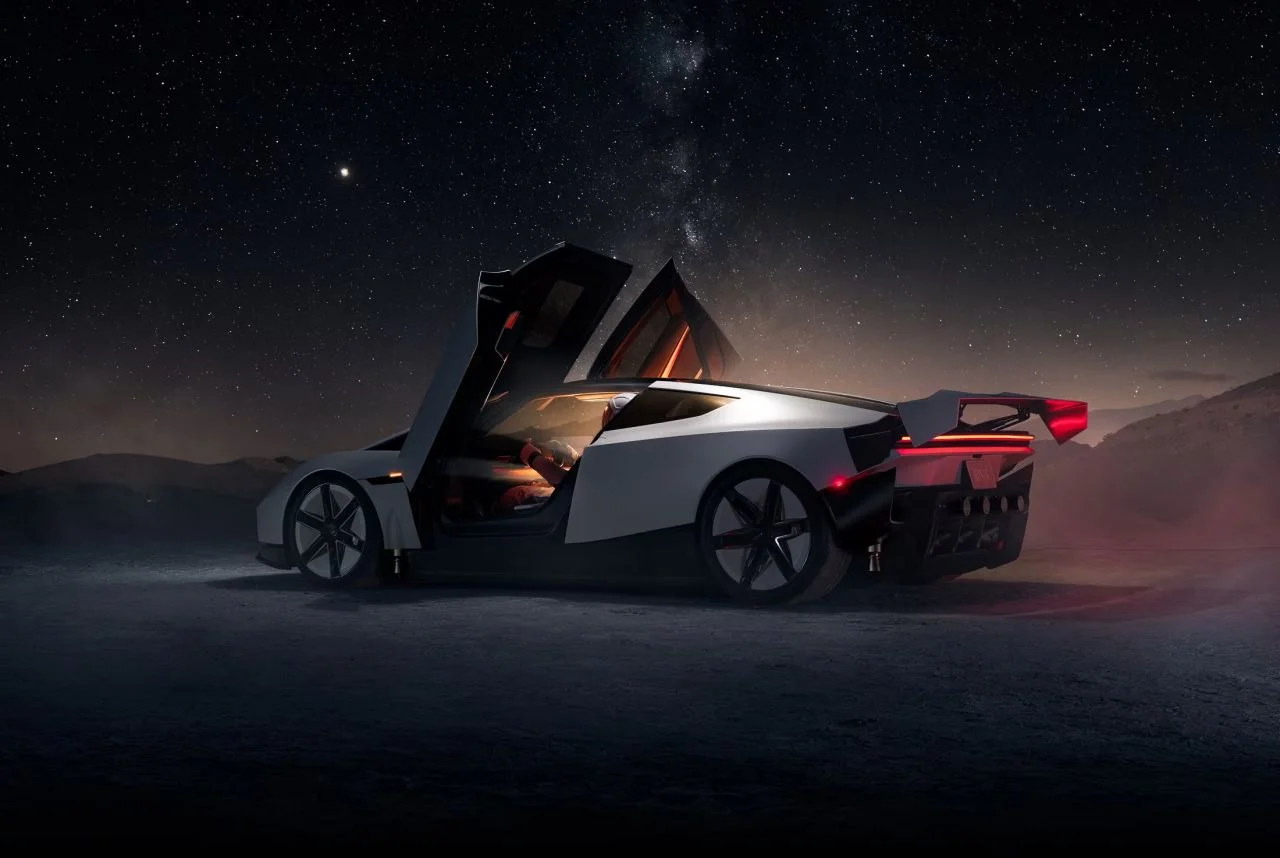
When the chief executive of Ferrari praises a car unveiled by Tesla, the automotive world has a good reason to pay attention. Ferrari and Tesla represent two very different approaches to performance, engineering, and the future of the automobile. One is an Italian luxury sports car manufacturer with decades of racing heritage, while the other has built its reputation around electric vehicles, software, and disruptive technology.
Yet Ferrari CEO Benedetto Vigna recently gave Tesla’s redesigned Roadster an impressive score, awarding its presentation 10 out of 10 for technology and 10 out of 10 for presentation. His comments followed Tesla’s dramatic Roadster reveal, which featured futuristic demonstrations and a strong emphasis on innovation. Reuters reported that Vigna praised Tesla for showing that the automotive industry still has room for bold ideas, even in a mature market. <Cite refs={[“turn519400search0″,”turn519400search4”]}/>
The compliment is especially interesting because Ferrari is developing its own electric future with the Ferrari Luce, its first fully electric model. As traditional performance brands face changing customer expectations and new competition, Vigna’s remarks highlight an important question: what does it take to make the next generation of sports cars truly exciting?
Let’s explore why Ferrari’s CEO praised Tesla, what makes the new Roadster so ambitious, and what this unexpected moment could mean for the future of high-performance cars.
Ferrari CEO Benedetto Vigna Praises Tesla’s Roadster
Ferrari CEO Benedetto Vigna made his comments during an interview at an automotive conference organized by the Italian magazine Quattroruote. Speaking by videoconference from India, where Ferrari was hosting a customer event, Vigna discussed Tesla’s latest Roadster presentation and the importance of innovation in the automotive industry. <Cite refs={[“turn519400search0″,”turn519400search7”]}/>
His assessment was unusually enthusiastic for the leader of a company that operates in a very different part of the performance-car market.
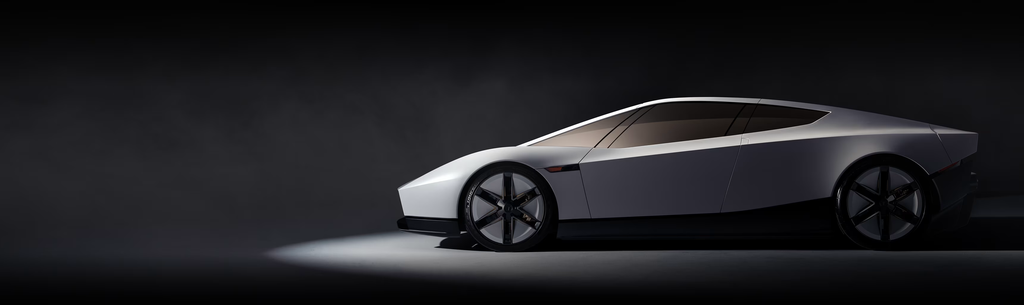
Vigna gave Tesla’s presentation a perfect score for both technology and communication. His praise was not simply about the vehicle’s potential speed or acceleration. He also recognized the way Tesla used the event to communicate an ambitious vision of what a sports car could become.
He emphasized that the automotive industry still has considerable room for innovation and encouraged manufacturers to keep dreaming.
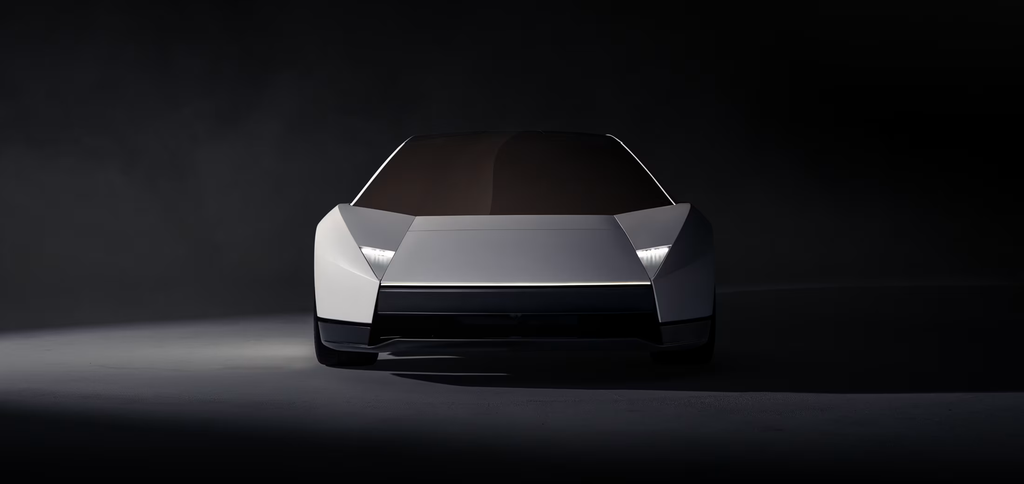
The message was clear: even companies with established engineering traditions cannot afford to stop experimenting.
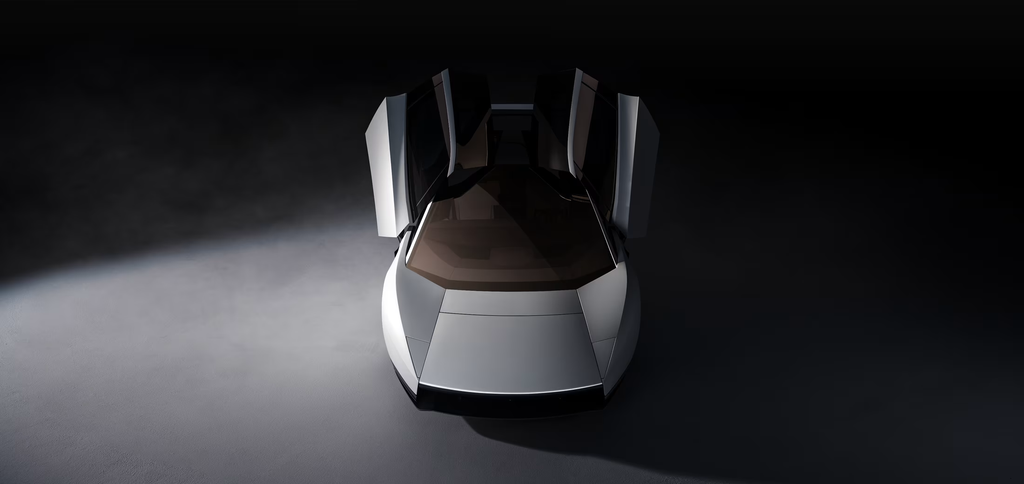
For Tesla, receiving this kind of recognition from the head of Ferrari represents an interesting moment. Ferrari has spent decades building its identity around performance, exclusivity, and motorsport-inspired engineering. Praise from its CEO suggests that Tesla’s approach to the Roadster presentation successfully captured the imagination of an influential figure in the industry.
However, Vigna’s comments should not be interpreted as a declaration that the Roadster is superior to Ferrari’s cars. His remarks focused on the technology and presentation of Tesla’s reveal, rather than a direct comparison of completed production vehicles.
What Makes the New Tesla Roadster So Different?
The Tesla Roadster has been one of the company’s most anticipated projects since its next-generation version was first announced in 2017.
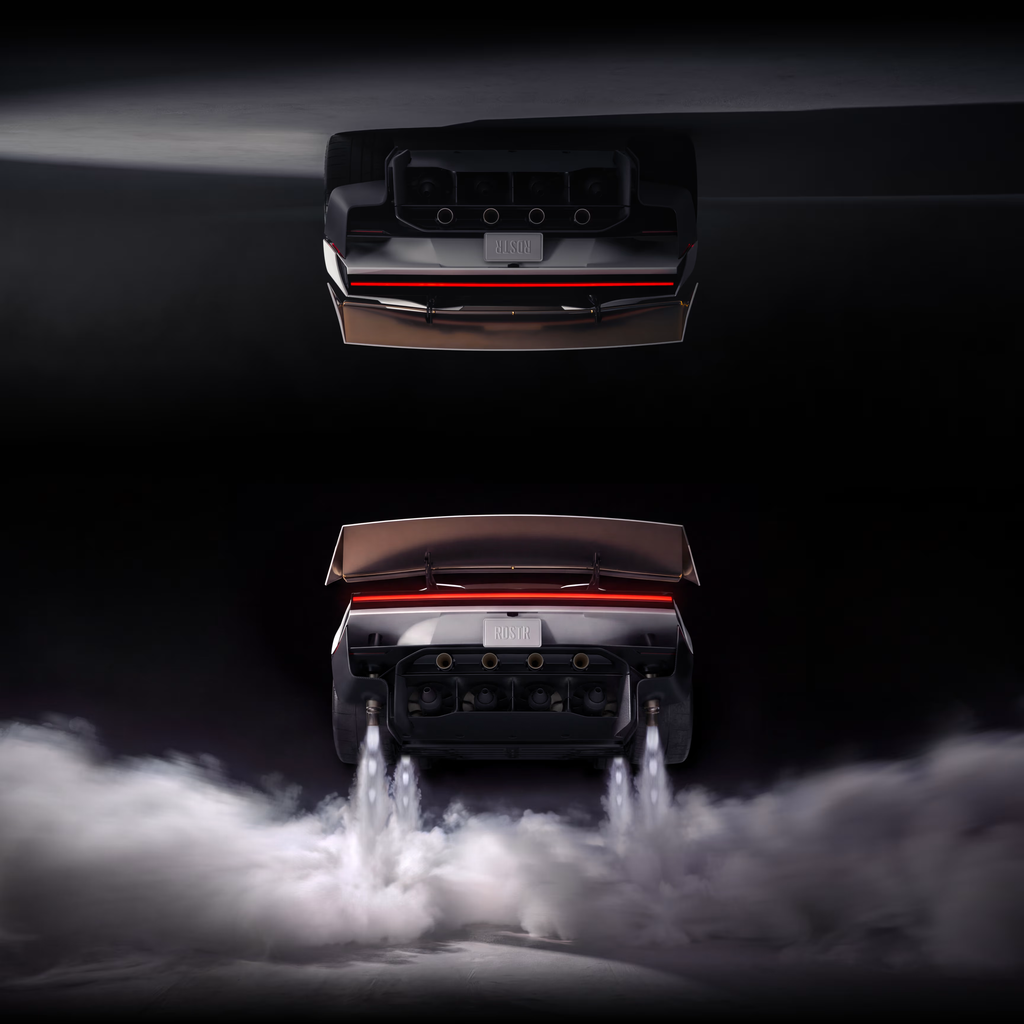
The redesigned model is intended to push the boundaries of electric sports-car performance. Tesla has presented it as an extremely fast vehicle with ambitious acceleration targets and technology designed to distinguish it from conventional performance cars.
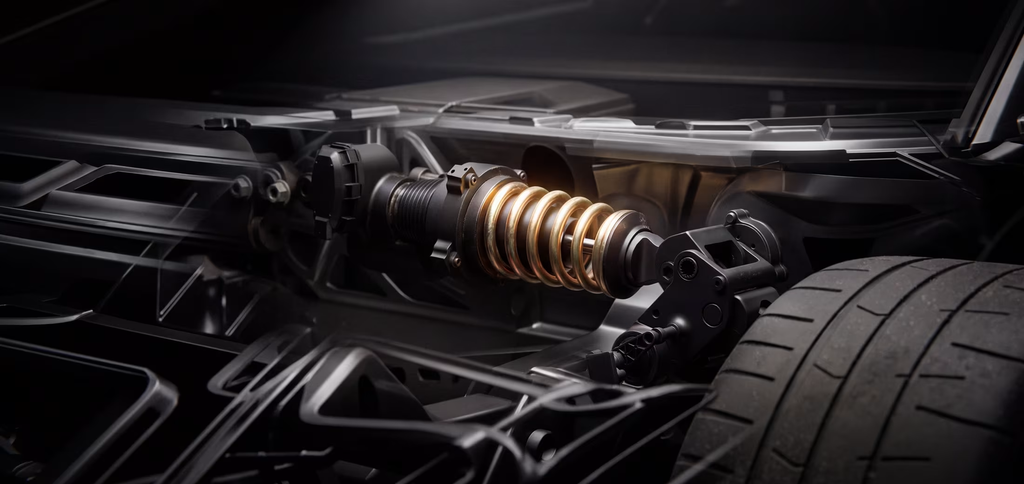
During the latest presentation, Tesla showcased dramatic demonstrations, including airborne maneuvers involving SpaceX-derived thrusters. The event attracted considerable attention because the technology suggested a different way of thinking about acceleration and vehicle performance. <Cite refs={[“turn519400search0″,”turn519400search4”]}/>
The idea of incorporating rocket-inspired technology into a road-going sports car sounds almost unbelievable. It also reflects Tesla CEO Elon Musk’s willingness to present ambitious concepts that attract attention beyond the traditional automotive community.
Nevertheless, there is an important distinction between a dramatic demonstration and a fully validated production vehicle. The technology, safety requirements, and practical operation of such systems will need to be evaluated carefully as the project progresses.
Tesla has said production is planned for 2028, but the Roadster has experienced repeated delays since its original announcement. Consequently, buyers and enthusiasts will need to wait for further evidence before its final capabilities can be assessed independently.
Even with these uncertainties, the Roadster has succeeded in generating conversation about the limits of electric performance.
Why Ferrari’s Praise Is Such a Big Deal
Ferrari and Tesla have very different histories, but both companies compete for attention in the high-performance automotive market.
Ferrari is associated with Italian craftsmanship, racing heritage, powerful engines, and exclusive ownership experiences. Its identity has been shaped by decades of competition and the development of some of the world’s most recognizable sports cars.
Tesla, meanwhile, has challenged traditional automakers through electric powertrains, software-focused vehicle development, over-the-air updates, and an emphasis on acceleration.
The companies approach performance from different directions, which makes Vigna’s praise particularly noteworthy.
For Ferrari, innovation is not simply about producing more horsepower or achieving a quicker acceleration time. It also involves finding new ways to deliver emotion, improve the driving experience, and maintain the brand’s identity as automotive technology changes.
Tesla’s Roadster presentation demonstrated how a manufacturer can use an ambitious concept to challenge expectations.
Vigna’s comments suggest that he appreciated this willingness to take risks, even though Tesla and Ferrari do not share identical engineering priorities.
There is also a broader lesson for established manufacturers. A strong reputation can provide a valuable foundation, but it does not guarantee future success. Companies must continue questioning their assumptions and exploring ideas that may initially seem unconventional.
In that sense, the compliment was about more than a single sports car. It was recognition of the importance of keeping innovation alive in a highly competitive industry.
Tesla Roadster Performance: What We Know So Far
Performance is central to the Roadster’s appeal. Tesla has promoted the next-generation model as a vehicle capable of extraordinary acceleration, placing it among the most ambitious electric sports cars announced in recent years.
The company has previously advertised a zero-to-60-mph time of less than one second for its most extreme proposed configuration, although that claim is associated with the planned vehicle and its special technology rather than an independently verified production-car test.
The redesigned Roadster’s latest presentation also emphasized the potential use of SpaceX-derived thrusters. These systems have attracted attention because they could potentially provide additional thrust beyond what conventional tyre-driven acceleration delivers.
However, several details remain important:
- Production timing: Tesla CEO Elon Musk has said production is planned to begin in 2028.
- Acceleration: Tesla has promoted exceptionally ambitious acceleration targets, but final production specifications and independent verification remain important.
- Thruster technology: Demonstrations involving SpaceX-derived systems have generated excitement, but their eventual production configuration and practical road use require further confirmation.
- Availability: Customers will need to wait for the production vehicle and its final specifications before its real-world performance can be judged.
Reuters reported that financial analysts remained cautious about the delivery timeline because the project has experienced years of delays. <Cite refs={[“turn519400search0″,”turn519400search3”]}/>
That caution does not erase the significance of the Roadster’s presentation. Instead, it highlights the difference between setting an ambitious target and delivering a completed vehicle that meets it.
For prospective buyers, the most meaningful test will ultimately be the production car’s actual performance, reliability, safety, and driving experience.
Ferrari Is Also Taking a Bold Step With Its First Electric Car
While Tesla is trying to redefine the electric sports car, Ferrari is working on its own transition into fully electric vehicles.
The company has introduced the Ferrari Luce, its first fully electric model, as part of its strategy to explore new forms of performance while maintaining the brand’s identity.
The Luce has attracted debate among enthusiasts because electric powertrains and unconventional design choices represent a departure from some of Ferrari’s traditional characteristics.
According to Reuters, Ferrari shares fell in May after the company revealed the Luce, reflecting investor concerns surrounding the new direction. The vehicle was developed with input from former Apple design chief Jony Ive and his LoveFrom studio. <Cite refs={[“turn519400search0″,”turn519400search1”]}/>
Vigna has defended the decision to work with outside designers, explaining that an external perspective helped the company consider questions it might not otherwise have explored.
This approach reveals an interesting connection between Ferrari and Tesla.
Although their products and histories differ, both companies recognize that electric technology is changing the possibilities available to automotive designers and engineers.
For Ferrari, the challenge is to develop an electric vehicle that feels worthy of the company’s name. For Tesla, the challenge is to turn ambitious technology into a production car that can meet the expectations created by its presentation.
Both manufacturers are attempting to prove that the future of performance does not have to be limited by traditional ideas about how a sports car should look or operate.
Can the Tesla Roadster Compete With Ferrari?
The Tesla Roadster and Ferrari’s performance models may attract some of the same enthusiasts, but comparing them directly requires care.
Ferrari’s appeal extends beyond acceleration. Buyers often value the company’s design, craftsmanship, driving dynamics, motorsport heritage, exclusivity, and emotional connection with its vehicles.
Tesla has built a different kind of appeal through electric performance, technology integration, and ambitious engineering concepts.
The Roadster could attract customers who want exceptional acceleration and a highly unconventional electric sports car. Ferrari, meanwhile, serves buyers who may prioritize the complete ownership experience as much as the vehicle’s raw performance.
The introduction of the Ferrari Luce could create an additional point of comparison because it brings Ferrari into the fully electric category.
However, the Roadster’s final production specifications, pricing, and delivery schedule will need to become clearer before a meaningful comparison can be made.
For now, it is more useful to view the two companies as different examples of how the automotive industry is evolving.
Tesla is challenging expectations with a technology-focused approach, while Ferrari is attempting to bring its distinctive identity into a new era of electrification.
Their paths may differ, but both companies face the same fundamental challenge: delivering a vehicle that is exciting enough to justify the expectations surrounding it.
Why Innovation Matters More Than Ever in the Automotive Industry
The automotive industry is experiencing a period of significant change.
Electric powertrains are becoming more capable, software is playing a larger role in vehicle development, and manufacturers are experimenting with new approaches to aerodynamics, energy management, and performance.
These developments create opportunities, but they also introduce new challenges.
A manufacturer can announce impressive acceleration figures, demonstrate advanced technology, or present an unusual design. Yet turning those ideas into a successful production vehicle requires extensive engineering, testing, manufacturing expertise, and customer confidence.
Vigna’s praise of Tesla is relevant because it recognizes the importance of ambition during this period of transformation.
Innovation often requires companies to challenge their own traditions. For an established brand, that can be particularly difficult because customers may expect familiar styling, sounds, materials, and driving characteristics.
However, refusing to explore new ideas can be just as risky as embracing change too quickly.
Ferrari’s work on the Luce and Tesla’s Roadster project illustrate two different ways manufacturers are responding to this challenge.
One is attempting to introduce electric technology into an established luxury-performance identity. The other is using an electric platform to pursue exceptionally ambitious performance targets.
The results will ultimately be judged by customers, critics, and the vehicles themselves.
Will the New Tesla Roadster Actually Arrive in 2028?
One of the biggest questions surrounding the Roadster is whether Tesla will meet its latest production target.
The original next-generation Roadster was announced in 2017, and its development has experienced multiple delays. Musk has now said production is planned for 2028, but the history of the project means that the timeline should be treated cautiously. <Cite refs={[“turn519400search0″,”turn519400search4”]}/>
Bringing an ambitious sports car to market involves more than demonstrating its capabilities at an event.
Tesla must finalize the engineering, validate its performance, address safety requirements, establish production processes, and deliver vehicles that satisfy customer expectations.
The more unconventional the technology becomes, the more questions engineers must answer about its practical implementation.
For buyers who have followed the Roadster since its original announcement, the latest presentation provides another reason to be interested. However, the vehicle’s eventual success will depend on what Tesla delivers rather than what it promises.
If the production version achieves even a substantial portion of the company’s ambitions, it could become an important example of electric performance engineering.
If the schedule slips again, confidence in the project could face additional pressure.
Either way, the Roadster remains a vehicle worth watching as Tesla moves toward its stated production target.
Final Thoughts: Ferrari’s Compliment Highlights a Changing Industry
Ferrari CEO Benedetto Vigna’s praise for Tesla’s Roadster presentation is a notable moment in the evolving relationship between traditional performance brands and electric-vehicle manufacturers.
By giving Tesla a perfect score for both technology and presentation, Vigna recognized the company’s willingness to challenge conventional expectations and communicate an ambitious vision for the future of sports cars.
The comments are particularly interesting because Ferrari is pursuing its own electric ambitions through the Luce, a vehicle that has prompted debate about how the company should adapt to changing technology.
The two manufacturers may have different histories and priorities, but both are exploring how electric power can create new possibilities for performance and design.
For Tesla, the next major challenge is turning the Roadster’s dramatic presentation into a production vehicle. The planned 2028 production start remains an important milestone, particularly given the project’s history of delays.
For Ferrari, the challenge is to continue innovating without losing the qualities that have made its cars special to generations of enthusiasts.
Ultimately, the significance of Vigna’s compliment goes beyond a single car reveal. It highlights a simple truth about the automotive industry: even the most established brands must remain open to new ideas.
The next generation of performance cars will be shaped by companies willing to experiment, learn, and deliver meaningful technological advances.
And if the Tesla Roadster eventually lives up to its ambitions, Ferrari’s CEO may have recognized something important: the future of the sports car is still being written.
SEO Details
SEO Title: Ferrari CEO Gives Tesla Roadster the Ultimate Compliment
Meta Description: Ferrari CEO Benedetto Vigna gives Tesla’s new Roadster a perfect 10/10 for technology and presentation. Discover why his praise matters.
Focus Keyword: Ferrari CEO gives Tesla Roadster the ultimate compliment
Suggested URL Slug: ferrari-ceo-tesla-roadster-compliment
Secondary Keywords:
- Ferrari CEO Benedetto Vigna
- Tesla Roadster 2028
- New Tesla Roadster performance
- Tesla Roadster SpaceX thrusters
- Ferrari Luce electric car
- Tesla vs Ferrari
- Future of electric sports cars
- Tesla Roadster technology
Suggested Image Alt Text: Tesla’s redesigned Roadster showcased during its presentation, which Ferrari CEO Benedetto Vigna praised for technology and presentation.
Editorial note: Tesla’s performance targets and planned production timing should be presented as company claims, not independently verified production-car results. The Ferrari CEO’s praise refers to the Roadster presentation, not a confirmed head-to-head performance comparison.
