

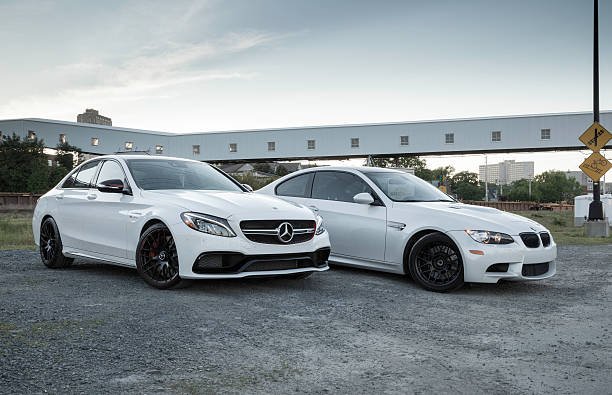
The Mercedes-AMG C63 has always held a special place in the world of performance cars. Known for its powerful engines, aggressive styling, luxurious interior, and thrilling driving experience, the C63 has attracted enthusiasts who want the perfect combination of everyday comfort and high-performance engineering. Now, speculation about the model’s future is generating fresh excitement, with the possibility that the Mercedes-AMG C63 could return with both petrol and electric powertrains.
The idea of offering different powertrain options could represent an important change in Mercedes-AMG’s performance strategy. As the automotive industry moves toward electrification, manufacturers are looking for ways to preserve the character of their most popular performance cars while meeting changing customer expectations and emissions regulations.
For the C63, the challenge is particularly interesting. Its reputation was built around powerful combustion engines, but modern performance technology is opening the door to new possibilities. Could a future C63 offer traditional petrol power alongside an electrified alternative? And what might this mean for enthusiasts who have followed the AMG brand for years?
Although the exact specifications and launch plans of a future model have not been confirmed here, the possibility deserves a closer look.
The Mercedes-AMG C63: A Performance Icon
The Mercedes-AMG C63 is one of the best-known performance sedans in the Mercedes-Benz lineup. Developed by Mercedes-AMG, the company’s high-performance division, the C63 combines the practicality of the C-Class with engineering designed to deliver an exciting driving experience.
Over the years, the model has earned a loyal following thanks to its strong acceleration, distinctive exhaust note, sporty suspension, and carefully tuned chassis. It has also competed in a crowded segment that includes performance models from BMW and Audi.
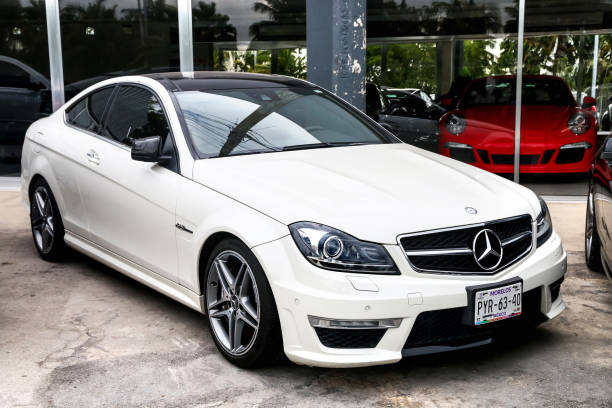
Earlier generations of the C63 became especially popular with enthusiasts because of their naturally aspirated and later twin-turbocharged V8 engines. These engines helped establish the car’s reputation for delivering substantial power with a distinctive character.
However, the automotive industry has changed significantly. Stricter emissions requirements, advances in hybrid technology, and growing interest in electrification have encouraged performance manufacturers to rethink their traditional engineering formulas.
Mercedes-AMG has already explored electrified performance through its newer models. This transition has created an important question for the C63: how can Mercedes preserve the qualities that made the car famous while adapting it to a different automotive landscape?
Why Could the C63 Return With Petrol and Electric Options?
Offering petrol and electric powertrains would give Mercedes-AMG an opportunity to appeal to different types of performance-car buyers.
Some drivers still prefer the sound, response, and familiar driving experience of a petrol engine. Others are interested in the instant torque, smooth acceleration, and technological advantages associated with electric motors.
Rather than relying on one approach, a future product strategy could potentially accommodate both preferences.
A petrol-powered version could appeal to traditional AMG enthusiasts who value the connection between the driver and the engine. An electric performance model, or a more extensively electrified alternative, could attract customers who prioritize modern technology and alternative power sources.
However, it is important to distinguish between a possible product strategy and a confirmed vehicle announcement. The exact powertrain combinations, model names, and availability of any future C63 variants would depend on Mercedes-AMG’s official plans.
If the company chooses to offer different powertrains, the decision could help the C63 remain relevant in a market where performance buyers increasingly have different expectations.
Could a Petrol-Powered Mercedes-AMG C63 Return?
For many enthusiasts, the biggest attraction of a potential new C63 is the possibility of a renewed focus on petrol power.
The C63 name has traditionally been associated with powerful combustion engines, particularly the V8 configurations that defined several generations of the model. Their strong midrange performance, distinctive sound, and effortless acceleration helped separate the C63 from ordinary luxury sedans.
A future petrol-powered C63 would not necessarily need to reproduce the exact formula of an older model. Modern turbocharging, improved engine management, lightweight components, and advanced transmission technology could help deliver impressive performance while addressing efficiency requirements.
There is also the possibility of hybrid assistance. An engine supported by an electric motor could deliver additional torque during acceleration, improve responsiveness, and help the vehicle operate more efficiently under certain conditions.
Still, enthusiasts hoping for a return to a conventional V8 should remain realistic. A petrol-powered model would not automatically mean a naturally aspirated engine or a return to the previous V8 setup.
Until Mercedes-AMG confirms the engine configuration of a future C63, details such as displacement, cylinder count, horsepower, torque, and acceleration times remain speculative.
What matters most is whether a future petrol variant can deliver the character and performance that buyers associate with the AMG badge.
How Electric Power Could Transform the C63
Electric power has become an important part of the modern performance-car industry. Electric motors can provide substantial torque almost immediately, allowing manufacturers to improve acceleration and refine how power is delivered to the wheels.
For a future C63, electrification could offer several potential advantages.
First, electric assistance could help reduce the delay associated with conventional turbocharged power delivery. An electric motor can respond quickly to driver input, helping create a more immediate acceleration experience.
Second, electric technology could give engineers additional flexibility when balancing performance, efficiency, and traction. Depending on the architecture, electric motors can also provide opportunities for sophisticated torque distribution and improved control.
Third, electrification could allow Mercedes-AMG to develop a performance character that feels different from earlier generations without abandoning the C63’s central mission: delivering an engaging driving experience in a practical luxury car.
An all-electric performance model would represent a much bigger departure from the C63’s traditional identity than a hybrid. It would require Mercedes-AMG to recreate the excitement of the car through acceleration, chassis tuning, steering response, braking performance, and carefully developed driving modes.
An electric motor cannot reproduce the exact sound and mechanical sensations of a petrol engine. However, it can offer a different kind of excitement through immediate power delivery and smooth, forceful acceleration.
Whether Mercedes-AMG pursues a fully electric C63, a hybrid alternative, or another arrangement remains a question for future official announcements.
What About the Current Hybrid Performance Formula?
The latest C63 generation introduced a significant technological change by moving away from the traditional V8 formula and adopting a plug-in hybrid powertrain built around a turbocharged four-cylinder petrol engine.
This approach combined combustion power with electric assistance to deliver substantial performance. It also demonstrated how Mercedes-AMG could use electrification to increase output while pursuing stricter efficiency targets.
The technology showed that a smaller engine could contribute to a very powerful performance package when supported by an electric motor and advanced energy-management systems.
Nevertheless, the transition proved controversial among some longtime enthusiasts. For drivers who loved the earlier V8-powered C63, engine sound, character, and mechanical simplicity were important parts of the ownership experience.
This reaction illustrates the challenge facing Mercedes-AMG. Producing impressive performance figures is only one part of building a successful sports sedan. The car must also connect emotionally with its intended audience.
A future C63 strategy that includes different powertrain options could help address these differing expectations. A traditional petrol-focused offering might appeal to one group, while an electrified model could attract buyers who appreciate modern engineering.
The key question is whether Mercedes-AMG can create a compelling driving experience regardless of the technology under the hood.
Expected Performance: What Could Buyers Look Forward To?
Performance has always been central to the C63 identity. Any future version would need to offer more than a premium badge and aggressive bodywork to compete with rivals in the high-performance luxury sedan segment.
Although confirmed figures for a future model are not available here, several areas could receive attention.
Faster Acceleration
Electric motors can deliver strong torque at low speeds, while modern petrol engines can sustain power at higher speeds. A suitable hybrid setup could combine these characteristics to deliver responsive acceleration across a broad range of driving conditions.
Improved Power Delivery
Advanced electronics could allow engineers to fine-tune how power reaches the wheels. Depending on the drivetrain, this could help improve traction when accelerating out of corners or driving on slippery surfaces.
More Advanced Driving Modes
A future AMG model could offer different settings for comfort, sport, and track-focused driving. Electrified versions might also provide additional options for adjusting energy use and power delivery.
Better Chassis Control
High performance depends on more than horsepower. Suspension tuning, steering precision, brake performance, and vehicle weight all influence how a car feels on the road. Mercedes-AMG would need to balance these elements carefully, particularly if an electric powertrain adds substantial battery weight.
These are potential development priorities rather than confirmed features of a future C63. Final performance figures and equipment would need to come from official specifications.
Exterior Design: Could the Next C63 Look More Aggressive?
The C63 has traditionally distinguished itself from the standard C-Class through a more muscular appearance. A future version would likely need to maintain that visual identity while reflecting the design direction of the latest Mercedes-Benz models.
Potential styling elements could include a more prominent front grille, larger air intakes, sculpted bodywork, wider-looking proportions, and distinctive AMG wheels.
A performance sedan may also feature redesigned bumpers, aerodynamic enhancements, and a rear diffuser that gives the car a more purposeful appearance.
The exact design would depend on the body platform and powertrain selected. For example, a fully electric model could require different aerodynamic priorities from a petrol-powered version.
Mercedes-AMG could also use distinctive lighting signatures and exterior details to differentiate individual performance variants.
However, no specific design features should be treated as confirmed until the manufacturer reveals an official vehicle or credible production details.
Interior and Technology: Luxury Meets Performance
Inside the cabin, the Mercedes-AMG C63 would be expected to combine everyday usability with a driver-focused atmosphere.
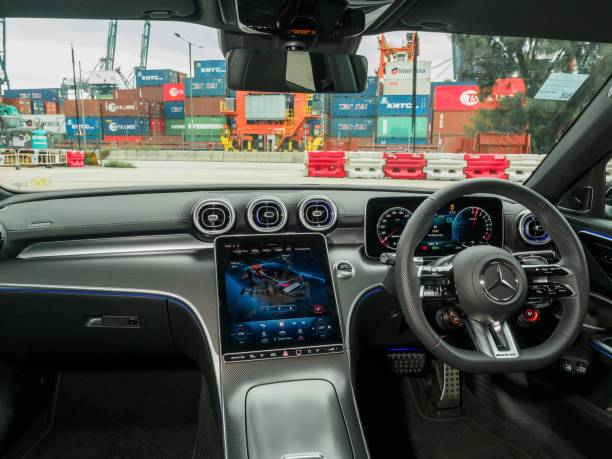
Modern Mercedes-Benz interiors emphasize digital displays, connected services, customizable information, and integrated infotainment systems. A future C63 could build on this approach with AMG-specific graphics, performance data displays, and selectable driving settings.
Supportive sports seats, a multifunction steering wheel, premium materials, and carefully designed controls would also be important for maintaining the model’s luxury credentials.
Electrified versions could introduce additional information screens for battery status, energy consumption, power distribution, and charging functions where applicable.
For drivers who use their performance cars every day, comfort would remain just as important as technology. Rear-seat space, luggage capacity, cabin refinement, and ride quality could help distinguish the C63 from less practical sports cars.
The challenge would be to deliver a high-tech cabin without making the driving experience unnecessarily complicated.
How Would a New C63 Compete With BMW and Audi?
The performance sedan segment remains highly competitive. BMW’s M division, Audi Sport, and Mercedes-AMG have all developed their own interpretations of the high-performance luxury car.
BMW’s M3 is a key rival, appealing to drivers who value strong performance and an engaging chassis. Audi’s RS models offer another approach, combining powerful engines with advanced traction technology and premium interiors.
For Mercedes-AMG, a future C63 would need to establish a clear identity rather than simply compete on acceleration numbers.
A petrol-focused variant could appeal to buyers seeking a more traditional performance experience, while an electrified model could emphasize advanced power delivery and modern engineering.
Design, cabin quality, brand heritage, ownership costs, and everyday comfort would also influence purchasing decisions.
The C63’s established reputation gives Mercedes-AMG a valuable foundation, but future success would depend on how effectively the company responds to changing customer expectations.
When Could the New Mercedes-AMG C63 Arrive?
The timing of a future C63 and the availability of different powertrain options remain unconfirmed in this article.
Automakers regularly evaluate future product plans, but a reported possibility is not the same as an official launch announcement. Development schedules, market conditions, emissions regulations, and technology investments can all influence the final product.
Buyers should therefore avoid treating unofficial launch dates, rumored specifications, or predicted engine configurations as established facts.
The most reliable information will come from Mercedes-Benz and Mercedes-AMG announcements, official technical specifications, and confirmed production details.
Until then, the possibility of petrol and electric powertrains is best understood as an interesting development to watch rather than a finalized product plan.
Final Thoughts
The possibility that the Mercedes-AMG C63 could return with petrol and electric powertrains highlights one of the biggest questions facing modern performance cars: how can manufacturers embrace new technology without losing the character that made their vehicles special?
A petrol-focused C63 could appeal to enthusiasts who value traditional engine performance, while an electrified alternative could demonstrate how electric motors and advanced energy management can create a different kind of driving excitement.
The current generation has already shown that Mercedes-AMG is willing to rethink the formula behind its performance sedan. The next stage could offer further changes as the brand responds to technology developments and customer preferences.
For now, the exact engines, power outputs, design, pricing, and release date of a future C63 remain unconfirmed. Nevertheless, the prospect of different powertrain options gives performance-car fans a reason to follow Mercedes-AMG’s next moves closely.
If Mercedes-AMG can balance innovation with the distinctive driving character expected from the C63 badge, its next chapter could be an important one for the future of high-performance luxury sedans.
SEO Meta Description: The Mercedes-AMG C63 could return with petrol and electric powertrains. Explore possible engines, hybrid technology, performance, design, rivals, and future expectations.
Suggested URL Slug: mercedes-amg-c63-petrol-electric-powertrains
Focus Keyword: Mercedes-AMG C63 petrol and electric powertrains
Related Keywords: Mercedes-AMG C63 news, new Mercedes-AMG C63, Mercedes C63 hybrid, electric AMG performance cars, Mercedes-AMG C63 future, Mercedes performance sedan.
